

Residential planning in Surrey
Planning starts with the site
Morph Design Studio prepares residential planning applications across Surrey, from house extensions and alterations to replacement homes and work to listed buildings. When a proposal involves several constraints, the first task is to establish what can reasonably be achieved at that address. A more detailed drawing cannot resolve a brief that conflicts with the site’s planning context.
Our work brings architectural design, planning drawings and technical coordination together. We look at the house, its setting and your priorities before recommending the scope of an application. If specialist planning, heritage, tree or other advice is needed, that input needs to inform the design early.
A clear brief for a complex application
Send us the site address, the changes you have in mind and any previous drawings or council correspondence. For a scheme that has already been refused, the decision notice and officer’s report are useful starting points. They help separate objections that might be addressed through design from wider issues that need specialist advice.
We review the existing building, planning history and the policies and designations relevant to the plot. The next step is to test options: where an extension sits, how its height and roof relate to neighbours, how the house meets the garden, and whether a smaller intervention could achieve the same practical result. We can then explain the proposed route and what further information is needed.
The right evidence alongside the drawings
A residential application may need more than plans and elevations. Tree constraints, heritage significance, access, landscape, flood risk and neighbouring amenity can all affect how a proposal is assessed. The exact supporting information depends on the site and application type; it should be identified before submission.
For projects in Elmbridge, we use the council’s planning and validation guidance alongside the relevant policies. Elsewhere we check the requirements of the authority responsible for your address. This keeps the application focused on the information the decision-maker needs.
A closer look at our work
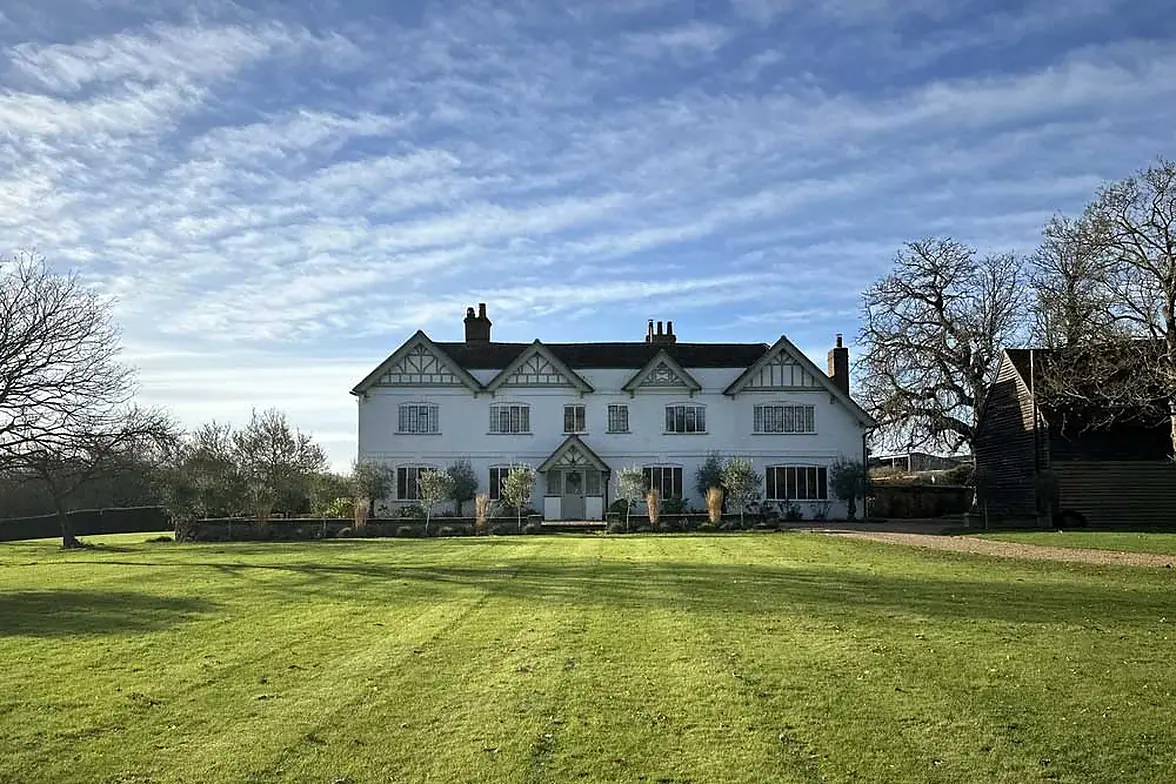
Pre-application advice and responding to feedback
Where an important design or policy question needs testing, a pre-application discussion can help shape the next step. It is advice, not permission, and does not guarantee the outcome of a later application. The Planning Portal explains the pre-application process.
During an application, we coordinate responses to requests for clarification and discuss design changes with you before revising the scheme. If a previous proposal was refused, we first consider what the reasons mean for the brief. A revised design and a planning appeal are different routes; the appropriate approach depends on the circumstances and any specialist advice required. We do not promise an approval or an approval rate.
Private estates, Green Belt and heritage
An estate’s private requirements and the local authority’s planning process need to be considered separately. Our private estate architects page explains how we approach homes in places such as St George’s Hill and Wentworth.
For designated land and historic buildings, the starting information changes. Read about our work on Green Belt sites and listed buildings. We establish the relevant constraints for the individual property rather than assuming a neighbouring permission will apply to your project.
Relevant residential work
Our published projects show the design and coordination behind different kinds of residential brief. The Old Bakery in Cobham involved the restoration of a Grade II listed home, with repairs to its timber frame and brickwork and a reworked interior. Luffield House in Cobham is a new house on a private estate, combining a classical exterior with contemporary family accommodation.
These case studies describe the work undertaken. They are not a guarantee that another property will receive the same planning outcome. We assess each new site on its own evidence.
After the planning decision
A planning decision is one stage in a longer project. The next scope can include reviewing conditions, coordinating further information, building regulations drawings, structural input and a package that contractors can price. Our services explained page sets out the full sequence.
Where appointed for the construction stage, we also provide project management and contract administration. Keeping the approved design connected to the construction information helps the project move forward with a clear brief for everyone involved.
Common questions
Can you help with a difficult residential planning application?
Yes. We start with the address, planning history, your brief and any previous council feedback, then assess the design options and supporting information needed. Specialist advice may be required for particular constraints. We cannot guarantee the planning decision.
Can you review a scheme that has already been refused?
We can review the decision notice, officer’s report and drawings to understand the reasons for refusal and discuss whether design changes could address them. A revised application and an appeal are different options; the appropriate route depends on the case and any specialist advice needed.
Do estate approval and planning permission mean the same thing?
No. A private estate may have its own requirements in addition to the local authority’s planning process. The requirements for the individual property should be established before a scheme is developed.
What should I send for an initial discussion?
Send the property address, a short description of your proposed work, photographs and any existing drawings or council correspondence. If there has been a refusal, include the decision notice and officer’s report.
Discuss your project
Tell us about your property and the changes you have in mind. We will discuss the next steps and the information needed to develop the brief.
Contact the studio →